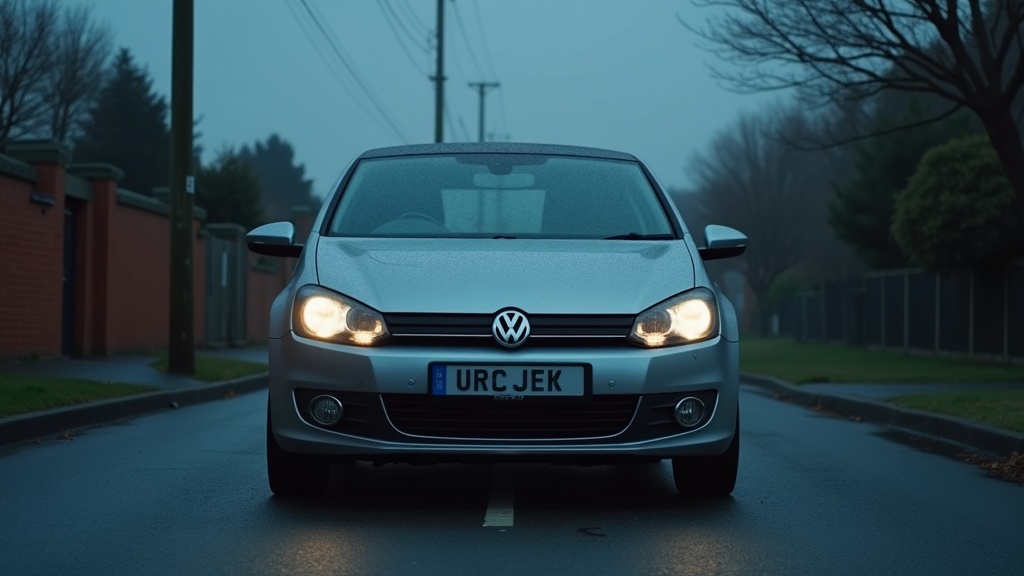
EV running costs after the RUC change: what Canterbury drivers are actually paying
The NZ Angle
From April 2026, light electric vehicles in New Zealand pay Road User Charges at a rate of $76 per 1,000 kilometres, up from the previous $53 rate that had been in place since mid-2024. That is a meaningful jump, and it lands on a market that had already absorbed the end of the Clean Car Discount in late 2023. For Canterbury drivers, the maths now looks noticeably different from the picture that convinced a lot of people to buy a Nissan Leaf or a Toyota Aqua hybrid in 2022 and 2023. The Leaf, being a pure EV, carries the full RUC burden. The Aqua, as a petrol-electric hybrid, pays fuel excise duty through the pump instead, so it sits outside the RUC regime entirely. That distinction matters when you are standing on a Christchurch yard comparing a 2018 Leaf 40kWh at $18,500 against a 2019 Aqua at $16,000. The RUC liability is not a small line item anymore. At 15,000 kilometres a year, a Leaf owner is now paying $1,140 annually in RUCs before they have spent a dollar on electricity, servicing, tyres, or insurance. That is the number the sticker price does not tell you.
NZTA's April 2026 RUC rates for light EVs have changed the maths on used Leafs and Aquas. We break down the real per-kilometre costs against petrol and diesel alternatives.
The April 2026 RUC increase was not a surprise. NZTA had signalled for some time that the zero-rate exemption era was over and that EVs would progressively contribute more to road funding. What caught some buyers off guard was the pace of adjustment. Going from $53 to $76 per 1,000 kilometres in one step is a 43 percent increase. Spread across a typical private buyer doing 15,000 kilometres a year, that is an extra $345 annually compared to what they were paying twelve months ago.
For context, a 2018 Nissan Leaf 40kWh bought on the Christchurch market right now sits somewhere between $17,000 and $21,000 depending on condition, mileage, and battery health. A comparable 2018 or 2019 Toyota Corolla hatch in petrol runs $18,000 to $23,000. The Leaf was always the cheaper runner day to day, and that is still true, but the gap has narrowed.
What the numbers actually look like
Take a Leaf owner driving 15,000 kilometres a year. At a home charging rate of around 30 cents per kWh and the Leaf's real-world consumption of roughly 18kWh per 100km, electricity costs work out to about $810 a year. Add $1,140 in RUCs, and total energy plus road-user cost comes to $1,950. Servicing a Leaf is genuinely cheap. No oil changes, no cam belt, no exhaust. Budget around $300 to $400 a year for a decent independent workshop doing a WoF, brake fluid, cabin filter, and tyre rotation.
A 2019 Toyota Corolla on petrol doing the same 15,000 kilometres, at a consumption of 7.5 litres per 100km and petrol sitting at around $2.70 a litre, spends roughly $3,038 at the pump. Servicing adds another $500 to $700. Total: closer to $3,700 a year in running costs. The Leaf is still cheaper to run, by a real margin, even after the RUC increase.
The Aqua sits in between. As a petrol-electric hybrid it pays excise through the bowser, not RUCs. At 4.5 litres per 100km, 15,000 kilometres costs around $1,823 in petrol. Servicing is slightly more involved than the Leaf but cheaper than a straight petrol car, call it $400 to $500. Total running cost around $2,300. That is genuinely competitive with the Leaf now, which it was not two years ago.
Battery health is the variable nobody prices in
The 40kWh Leaf is the version most buyers want, and rightly so. Range on the 24kWh cars was marginal before the RUC change and looks worse now that the cost of running them is higher relative to the range delivered. The problem with any used Leaf is battery degradation. New Zealand's charging infrastructure skews heavily toward DC fast chargers, which are convenient but harder on the battery chemistry than slow overnight charging. A 2018 40kWh Leaf with 90,000 kilometres that has lived mostly on fast chargers may show ten or eleven bars on the battery health display rather than the full twelve. That translates to a real-world range closer to 190 kilometres instead of 270. It also affects resale.
You cannot assess a Leaf properly without a LEAF Spy readout or equivalent battery diagnostic. Any yard selling these without offering that data should be treated with suspicion. This is not a new concern, but with the RUC increase making range efficiency more financially consequential, battery condition matters more than it did.
Nissan Leaf parts availability in New Zealand is reasonable for the common items: 12-volt auxiliary batteries, brake components, HVAC filters. The high-voltage battery pack is the expensive exposure. A replacement 40kWh pack from an insurance write-off or Japanese import channel runs $4,000 to $7,000 fitted, and the supply is not deep. If you are buying a Leaf with degraded battery and factoring in a replacement, the economics of the purchase change substantially.
Has the RUC shift cooled demand?
On the Christchurch market, the honest answer is: somewhat, but not dramatically. The buyers who did the maths properly before the RUC change are still buyers. The people who bought a Leaf in 2022 expecting to pay next to nothing in running costs forever are the ones who feel stung, and some of them are now selling. That has added supply at the sub-$20,000 end without the demand to absorb it quickly, which is nudging prices down slightly on higher-mileage examples.
The Aqua has had a quiet resurgence. At $15,000 to $18,000 for a tidy 2018 or 2019 car, with no RUC exposure and running costs that now genuinely rival a comparable EV, it represents straightforward value. The hybrid system on the Aqua is well proven at 100,000 to 150,000 kilometres. Inverter coolant pump failures are the known watch point around the 100,000-kilometre mark, and traction battery replacement is a real but manageable cost if you budget $2,500 to $4,500 at a specialist. Beyond that, they are durable cars.
The Leaf is not a bad buy. At the right price, with a healthy battery, it is still cheaper to run per kilometre than almost anything else you will find on a Canterbury yard. The RUC change has not made it uncompetitive. It has made it less of a no-brainer, which is probably fair.
By Paul Gray. See our editorial standards or email sales@premiumwholesalecars.co.nz with corrections.
More automotive
Leaf vs petrol hatch: what the numbers actually say for Canterbury commuters
RUC charges for light EVs are now a real line item. We run the actual annual costs for a used Nissan Leaf against a comparable petrol hatchback on Canterbury roads.
EV running costs after the RUC change: does a used Leaf still beat a petrol Aqua?
NZTA's light EV RUC rates took effect 1 July 2026. We run the real per-kilometre numbers for Leaf and Ioniq 6 owners against a petrol Aqua and hybrid Corolla at current second-hand prices.
What EV owners actually pay per kilometre under the new RUC rates
NZTA's updated light EV RUC rates are now in effect. Here is what Leaf and Ioniq 5 owners will pay per kilometre in 2026, stacked against a comparable petrol car on real Canterbury distances.