Automotive News
Latest industry news from New Zealand and global automotive sources
Latest Articles
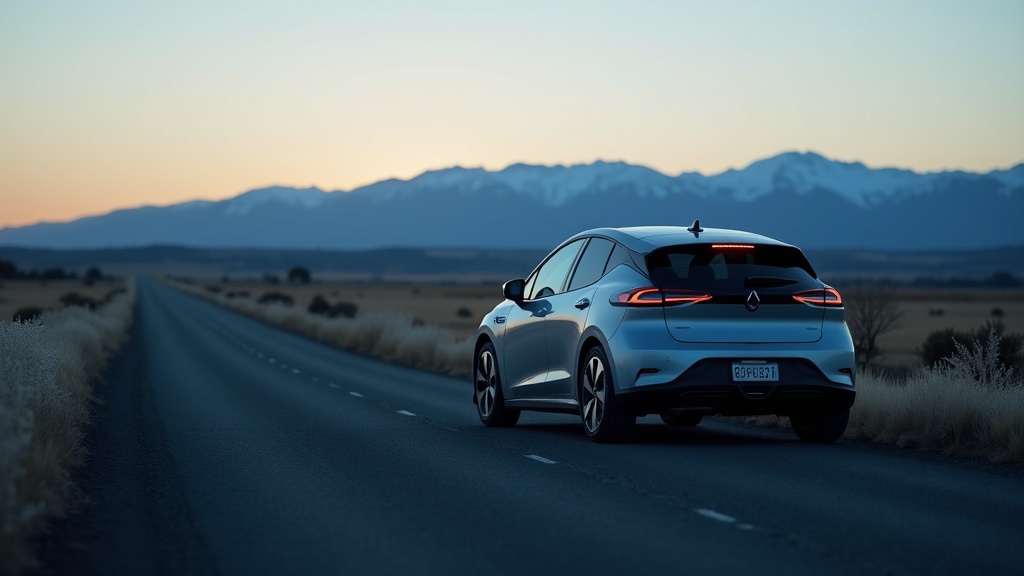
EV road user charges are live: what Canterbury drivers actually owe
The RUC exemption for light electric vehicles ended in 2024. Here is what Canterbury EV owners now pay per kilometre, how to buy licences, and whether the numbers still make sense.
The NZ Angle
New Zealand's road user charge exemption for light electric vehicles wound down progressively and expired fully at the end of March 2024. From that point, EVs weighing under 3.5 tonnes pay RUCs at the same rate as diesel vehicles in their weight class. For most passenger EVs, that is $76 per 1,000 kilometres as of mid-2025. The charge applies regardless of whether you charge at home, at a public station, or through a workplace charger. NZTA administers the system, and the obligation sits with the registered owner. You buy licences in advance through the NZTA website or at an AA centre, selecting a distance block (typically 1,000 km increments), and a licence label is issued for your windscreen. Running out of RUC distance is an infringement offence, the same as it is for a diesel ute. For Canterbury drivers doing high annual kilometres across the plains or commuting from Rolleston or Rangiora into Christchurch, the annual RUC bill is now a real number worth calculating before assuming an EV still beats a petrol or hybrid on running costs.
Read article →
EV running costs in 2026: do the numbers still work?
The RUC exemption is gone and per-kilometre charges are now a real line item. We run the actual numbers for Leaf, Ioniq 5 and MG4 owners against petrol and hybrid alternatives.
The NZ Angle
New Zealand's road user charge exemption for light electric vehicles expired at the end of 2025, and from 1 January 2026 EV owners pay the same RUC rate as diesel vehicles: $76 per 1,000 kilometres as of the current NZTA schedule, purchased in advance via RUC licences and displayed on the windscreen. That is not a rounding error when you are doing 25,000 km a year. It adds $1,900 annually, payable upfront in blocks, which changes the cash-flow picture for anyone who bought an EV partly on the promise of near-zero running costs. Canterbury drivers face a specific version of this calculation. Commutes out of Rolleston, Prebbleton or Lincoln into Christchurch are long and largely motorway, which suits EVs well enough, but those same drivers tend to cover high annual kilometres. The South Island's relatively cheap off-peak power rates have always helped the EV case. What RUCs do is flatten that advantage considerably. The question is not whether EVs are cheaper to run than they used to be. Of course they are not. The question is whether they are still cheaper than the realistic alternatives, once you put actual numbers against actual kilometres.
Read article →
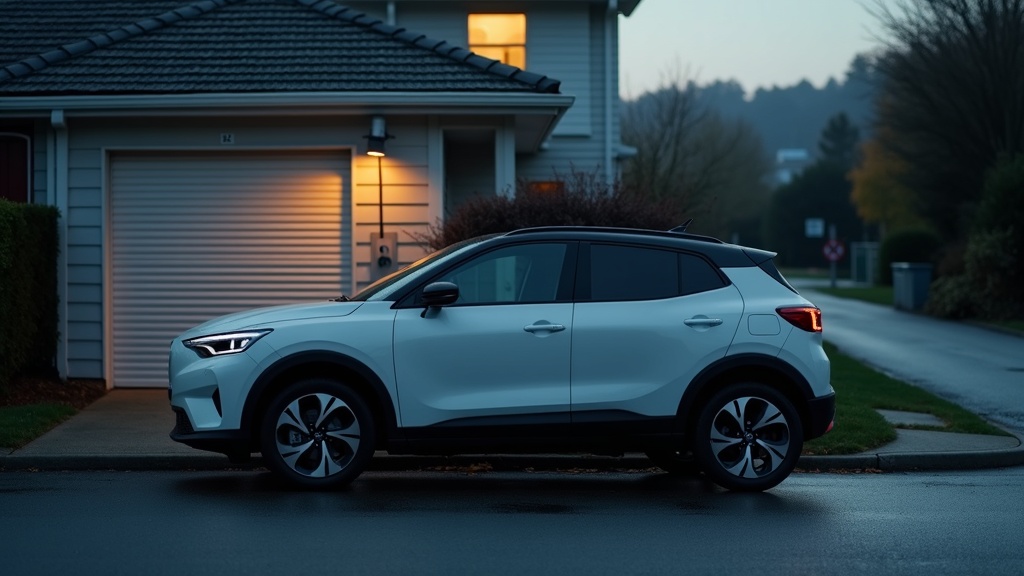
Leaf vs petrol hatch: what the real running costs look like now
RUC charges for light EVs have been in place a year. We crunch the actual per-kilometre cost gap between a used Nissan Leaf and a comparable petrol hatch for Canterbury drivers doing average ks.
The NZ Angle
From 1 April 2024, light electric vehicles lost their RUC exemption and now pay $76 per 1,000 kilometres, the same rate as petrol vehicles effectively pay through fuel excise duty. It closed the most obvious running-cost argument for EVs overnight, at least on paper. Canterbury buyers are in an interesting spot. Christchurch winters are cold enough that Leaf battery range drops noticeably, sometimes 20-25% on older 24 kWh packs, which changes the real-world efficiency numbers. Home charging is straightforward if you have a garage and a dedicated circuit, but plenty of buyers in higher-density suburbs are relying on public chargers, which cost more per kWh and erode the gap further. The used Leaf market here has softened since the Clean Car Discount ended in 2023, so purchase prices are lower than they were, which helps the EV case on total cost of ownership even as running costs have crept up. The comparison that matters is not headline electricity rates versus pump prices. It is total cost per kilometre driven, including WoF, servicing, tyres, depreciation, and now RUCs, against a real petrol alternative at current Canterbury pump prices.
Read article →
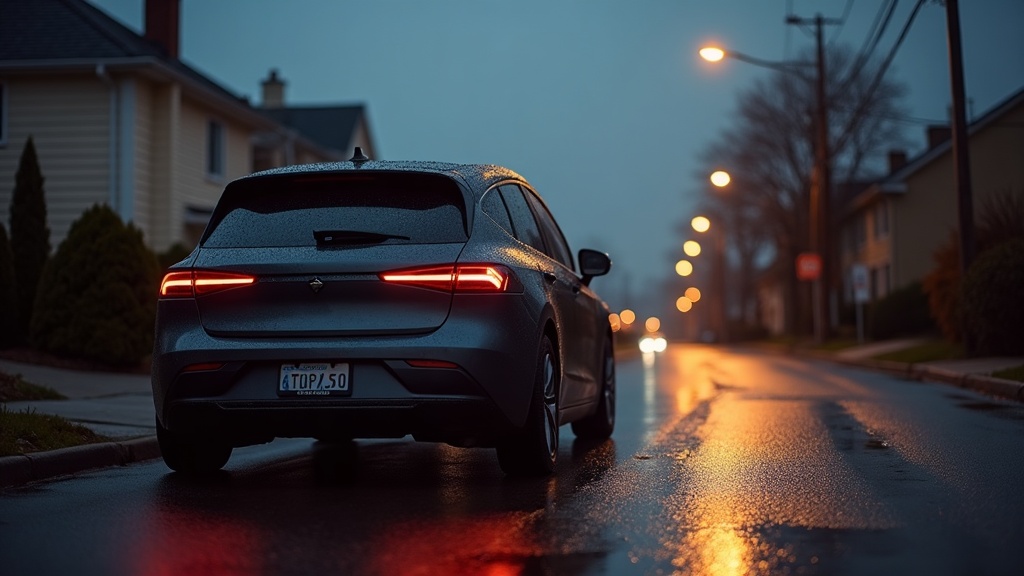
EV road-user charges kick in April 2026: what it actually costs Leaf and Aqua owners
The government's RUC freeze on light EVs ends 1 April 2026. Here's the real per-kilometre cost hit for Nissan Leaf and Toyota Aqua PHEV owners, and whether EVs still make financial sense.
The NZ Angle
New Zealand has given battery-electric and plug-in hybrid owners a free ride on road-user charges since 2009, when the exemption was introduced to encourage uptake. That exemption ends 1 April 2026, when light EVs will pay RUCs at $76 per 1,000km, and PHEVs at $53 per 1,000km. Those are the confirmed rates from NZTA. For context, a diesel car currently pays $76 per 1,000km too, so full-battery EVs will land at parity with diesel from day one. The timing matters because the used import market in New Zealand is heavily weighted toward affordable EVs: Nissan Leafs (2016 to 2019 generation, typically 40kWh battery) and Toyota Aqua PHEVs are among the most traded vehicles on Trade Me, often sitting in the $12,000 to $22,000 range. Buyers who purchased these cars partly on the strength of low running costs will need to recalculate. Canterbury and Otago owners who rack up kilometres on longer rural runs will feel the charge more sharply than urban Auckland commuters doing 10,000km a year. The freeze end also removes one of the last remaining incentives following the Clean Car Discount's closure in late 2023.
Read article →
EV road user charges kick in July 2026: what Leaf, Ioniq 6 and Atto 3 owners will actually pay
The RUC exemption for light EVs ends 30 June 2026. Here is what three of NZ's most common electric cars will cost to run from 1 July, and how that stacks up against petrol.
The NZ Angle
New Zealand's road user charge exemption for light electric vehicles has been running since 2021, effectively giving EV drivers a free pass on the per-kilometre levy that diesel and heavy vehicle owners have always paid. From 1 July 2026, that ends. NZTA sets the RUC rate for light EVs at $76 per 1,000 kilometres, which is the same rate applying to petrol vehicles via their fuel excise duty equivalent. In practical terms, a driver covering 15,000 km per year will pay $1,140 annually in RUCs from July onwards. That is not a trivial number, but it is also not the catastrophe some EV forums are making it out to be. The more honest question is whether the total running cost of an EV still beats a comparable petrol car once you add that charge in, alongside home charging costs, WoF, registration and any servicing. For Cantabrians doing decent annual kilometres and charging at off-peak rates, the maths still tends to favour the EV. For someone doing 8,000 km a year on expensive public chargers in a city apartment, the sums look considerably less flattering. The rate applies per 1,000 km regardless of vehicle weight class within the light vehicle category, so a Nissan Leaf and a BYD Atto 3 face identical per-kilometre exposure.
Read article →
EV road user charges kick in July 2026: what it actually costs
The RUC exemption for light electric vehicles ends 30 June 2026. Here is what Leaf, Ioniq 6 and BYD Atto 3 owners will pay per kilometre, and whether EVs still make sense against a petrol or diesel used import.
The NZ Angle
New Zealand has run a road user charge exemption for light electric vehicles since 2021, effectively giving EV drivers a free pass on the per-kilometre levy that diesel and some petrol drivers pay. That exemption expires on 30 June 2026. From 1 July, light EVs will pay RUCs at the same rate as other vehicles, currently set at $76 per 1,000 km for light diesel vehicles, with the government signalling a comparable rate for EVs. For a driver doing 15,000 km a year, that is $1,140 in new annual costs appearing overnight. The Clean Car Discount closed at the end of 2023, so there is no purchase-side offset left either. The Nissan Leaf remains the most common EV on NZ roads, followed by a growing fleet of BYD Atto 3s and the newer Hyundai Ioniq 6. All three sit in the $25,000–$60,000 used market range depending on age and spec. The question for anyone buying or holding one of these cars right now is whether the running cost maths still works once RUCs are added to the equation, and how that compares to a 2019 Toyota RAV4 petrol or a Mazda CX-5 diesel sitting on a forecourt for similar money.
Read article →
EV road user charges kick in July 2026: what it costs per km
The RUC exemption for light electric vehicles ends 30 June 2026. Here's the real per-kilometre cost for Leaf, Ioniq 6 and BYD Seal owners, and how it stacks up against petrol.
The NZ Angle
New Zealand's road user charge system applies to any vehicle that doesn't pay fuel excise duty at the pump. Petrol cars pay that levy invisibly every time you fill up. EVs don't, so from 2024 they've been on a phased path toward paying RUCs like diesel vehicles do. The exemption for light EVs has been extended a couple of times, but the current deadline is firm: 1 July 2026. From that date, light EV owners must purchase RUC licences in the same way a diesel ute owner does today, displaying a label in the windscreen and buying distance in blocks. The current RUC rate for light electric vehicles is set at $76 per 1,000 km, which is the same rate applied to light petrol-electric hybrids and considerably less than the $62-odd per 1,000 km embedded in petrol via excise duty, ACC levy and local authority fuel tax combined. That gap matters when you're trying to work out whether an EV still saves you money at the pump, or whether the running cost advantage has quietly narrowed to the point where the spreadsheet no longer tells the story the EV salespeople like to tell.
Read article →
Leaf and Aqua prices in Canterbury: has the market finally settled?
With RUCs locked in for light EVs and the Clean Car Discount gone three years now, Canterbury used-car prices for the Nissan Leaf and Toyota Aqua are telling a clearer story than they have in years.
The NZ Angle
The two policy shifts that reshaped the affordable used-car market here landed in quick succession. The Clean Car Discount was scrapped in late 2023, stripping thousands of dollars off the effective value of imported EVs and hybrids overnight. Then RUCs for light electric vehicles, phased in from 2024, added a running cost that buyers had never factored into EV ownership before. For a Nissan Leaf doing 15,000 km a year, that's roughly $720 in RUCs annually on top of power costs, at the current rate of 4.8 cents per kilometre. It's not crippling, but it changed the sums. Canterbury buyers have always had a specific relationship with this segment: cold winters reward all-wheel drive and good range, and Christchurch's relatively compact geography made the Leaf's real-world range less of a problem than it would be in a more spread-out region. The Aqua, meanwhile, sits in a different lane entirely: no RUCs, no range anxiety, just a 1.5-litre hybrid doing honest fuel economy on Canterbury roads. Both cars built strong used-car followings here. The question now is what they're actually worth with the subsidy money gone and the true running costs visible.
Read article →
EV running costs two years after RUC exemption ended
The RUC-free ride for light EVs ended 1 April 2024. Two years on, we run the numbers on what Leaf and Prius Plug-in owners in Canterbury are actually paying per kilometre.
The NZ Angle
New Zealand's Road User Charges exemption for light electric vehicles ran out on 1 April 2024, and the rate that now applies is the same as for diesel vehicles: $76 per 1,000 km for light EVs under 3,500 kg gross vehicle mass. For a Nissan Leaf owner doing 15,000 km a year, that's $1,140 annually in RUCs alone, on top of home charging costs. Canterbury adds its own wrinkle: the region runs cold enough in winter that real-world EV range drops meaningfully, particularly in older 24 kWh Leafs, which means more frequent charging and a range buffer that eats into the theoretical efficiency numbers. The Prius Plug-in is a different calculation: its petrol engine takes over when the battery is flat, so RUC liability only accrues on the electric kilometres, which NZTA requires owners to track via odometer or a PHEV-specific RUC licence. Most Canterbury drivers with a Prius PHEV are running primarily on petrol anyway once the 25-odd electric kilometres are spent, which changes the whole comparison. These are not abstract numbers. They are the actual cost structure that anyone buying a used Leaf or Prius PHEV in Christchurch right now needs to account for before signing anything.
Read article →

Do EVs still save you money per kilometre in mid-2026?
RUC charges are locked in, power prices have climbed, and petrol is hovering around $2.80. We run the real per-kilometre numbers on the Leaf, MG4, and BYD Atto 3 to see if the EV savings story still holds.
The NZ Angle
Light EVs in New Zealand have paid road user charges since 1 April 2024, currently set at $76 per 1,000 km. That removed one of the clearest financial arguments for going electric. At the same time, residential electricity in Canterbury sits around 32-36 cents per kWh depending on your retailer and plan, and that figure has moved upward over the past two years. The Clean Car Discount closed at the end of 2023, so there is no longer a purchase subsidy softening the upfront number. What you are left with is a straight fight on running costs, and the maths is closer than the EV sales pitch tends to suggest. Canterbury buyers face a specific consideration: cold overnight temperatures reduce usable battery range by a genuine margin in a Leaf or Atto 3, which affects real-world efficiency figures. That is not a reason to avoid an EV, but it does mean the per-kilometre costs in a Christchurch winter look different from the manufacturer's published figures. The numbers below use local electricity rates, current RUC, and petrol at $2.80 per litre to give a working comparison rather than an optimistic one.
Read article →
EV running costs in Canterbury: what Leaf and Aqua PHEV owners are actually paying
RUC charges for light EVs have been in place for over a year. We crunch what Leaf and plug-in Aqua owners in Canterbury are genuinely paying compared to petrol equivalents.
The NZ Angle
New Zealand reintroduced road user charges for light electric vehicles in April 2024, ending the exemption that had been a quiet subsidy for EV early adopters since 2009. The rate sits at $76 per 1,000 km for light EVs, applied via the same RUC licensing system diesel drivers have always used. Plug-in hybrids, including the Toyota Aqua PHEV imported from Japan, pay a reduced rate of $38 per 1,000 km, reflecting their partial petrol use. For Canterbury drivers, this matters more than it might in Auckland because the region's driving patterns lean toward longer commutes, rural runs out to places like Darfield or Rangiora, and the kind of cold-weather conditions that knock meaningful range off a Leaf in July. Christchurch electricity sits around the national average, roughly 30-33 cents per kWh on a standard residential rate, though off-peak EV charging plans from retailers like Contact and Meridian can drop that closer to 15-20 cents overnight. With petrol currently sitting between $2.50 and $2.80 per litre at most Canterbury pumps, the arithmetic of owning an EV has shifted noticeably over the past 18 months, and not entirely in the direction the marketing would have you believe.
Read article →

EV running costs after the RUC exemption: what owners are actually paying
The RUC-free ride for light EVs ended in 2024. We've run the actual annual numbers for Leaf, Ioniq 5 and BYD Atto 3 owners commuting in Canterbury against a comparable petrol car.
The NZ Angle
From 1 April 2024, light electric vehicles lost their road user charge exemption and now pay RUCs at $76 per 1,000 kilometres, the same as any other light vehicle not paying fuel excise duty. For a Cantabrian doing 15,000km a year, that's $1,140 added to the annual running cost before you touch a charging cable. The change matters here more than in Auckland because Canterbury commuters are doing genuine distances: Rolleston to the CBD is 25km each way, Rangiora is further, and there's a decent contingent driving in from Darfield and West Melton. Those aren't short hops. The exemption ran from 2021 and was always meant to be temporary, a demand-stimulation measure that sat alongside the Clean Car Discount, which itself ended in December 2023. Both props are now gone. What remains is the EV itself, the electricity it uses, and the RUC bill that lands every time you buy a new block of licences. The question worth asking now, with the honeymoon over, is whether the case for running a used EV in this region still stacks up against a well-chosen petrol alternative at similar purchase price.
Read article →

EV running costs after the RUC exemption ends: do the sums
The RUC exemption for light EVs expired 1 April 2025. Here is what full road-user charges actually mean for Canterbury buyers weighing a used Leaf or Atto 3 against petrol or hybrid alternatives.
The NZ Angle
From 1 April 2025, light electric vehicles pay the same road-user charges as diesel vehicles: $76 per 1,000 kilometres at the current rate. That is not a rumour or a future proposal; it is already on the books. The exemption that made EVs cheaper to run on a per-kilometre basis for the past few years is gone, and the RUC liability now applies from the first kilometre you drive. For Canterbury buyers this matters because the South Island driving pattern tends toward higher annual kilometres than the national average, particularly for anyone commuting from Rolleston, Rangiora, or Lincoln into Christchurch. More kilometres means the RUC line item grows faster. The other local factor is electricity pricing: Orion network charges sit at a level that makes overnight home charging cost-effective, but that advantage now has to work harder to offset the RUC. Canterbury winters also put greater demand on EV range thanks to heating loads, which affects real-world efficiency and therefore the effective per-kilometre electricity cost. None of this makes a used EV a bad buy in 2025, but the calculus has shifted enough that buyers owe themselves twenty minutes with a calculator before signing anything.
Read article →

RUC freeze ends July 2026: what it actually costs to run a Leaf, Aqua, or diesel X-Trail in Christchurch
The government's light EV RUC freeze expires mid-2026. We run the numbers for a typical Christchurch commuter to see whether the EV argument still holds.
The NZ Angle
New Zealand's road user charge system has always treated EVs as a special case. When the government froze RUCs for light electric vehicles at zero in 2021, it was an explicit nudge toward electrification. That nudge expires on 1 July 2026, when light EVs will be charged at $76 per 1,000 kilometres, rising to full parity with petrol-equivalent rates on a legislated schedule. For Canterbury drivers, this matters more than for most. Christchurch has the country's most EV-friendly flat terrain, good charging infrastructure relative to other South Island centres, and a used Leaf market deep enough that you can find a 40kWh model for under $20,000 without trying hard. The Toyota Aqua remains the dominant hybrid on city roads here, cheap to run on petrol around $2.60 a litre and exempt from RUCs entirely as a petrol vehicle. The diesel X-Trail sits at the other end: paying RUCs already, typically around $76 per 1,000 km for light diesel, plus diesel at roughly $2.20 a litre at the pump. The question for anyone buying a used car right now is whether the total cost picture changes enough from July 2026 to shift the calculation, and frankly, the answer depends entirely on how many kilometres you actually drive.
Read article →
What EV owners are actually paying in RUCs now the exemption is gone
The light EV RUC exemption ended in 2024. We run the real numbers for Leaf and Ioniq 5 owners in Canterbury against a comparable petrol car and hybrid.
The NZ Angle
New Zealand's Road User Charge exemption for light electric vehicles ran from 2021 and was always framed as temporary. It ended on 31 March 2024, and since then EV owners have been paying the same RUC regime as diesel vehicles, currently set at $76 per 1,000 kilometres for light EVs. That rate sits meaningfully below light diesel at around $89 per 1,000 km, but it is no longer zero, and for Canterbury drivers covering the kind of annual distances that Canterbury driving actually involves, it adds up. The average New Zealand light vehicle travels roughly 11,000 to 14,000 kilometres per year, but rural and semi-rural Canterbury households, particularly those commuting into Christchurch from Selwyn or Waimakariri, often push 18,000 to 22,000 km annually. At those distances the RUC liability on an EV becomes a real line item in the household budget, not an afterthought. The Clean Car Discount also ended in late 2023, so the two subsidies that made EVs look particularly sharp on paper have both gone. What remains is the genuine running-cost case, which deserves honest arithmetic rather than enthusiasm.
Read article →
What EV owners actually pay in RUCs now the free ride is over
The RUC exemption for light EVs ended in 2024. Here is what Canterbury EV owners are paying per year in road user charges versus what they save on petrol, and whether a Leaf or BYD Atto 3 still makes financial sense.
The NZ Angle
New Zealand charged light EVs zero road user charges from 2009 until the exemption was phased out, with full RUC liability reinstated from 1 April 2024 at the standard light diesel rate of $76 per 1,000 km. That puts an EV on the same footing as a diesel Hilux for road funding purposes, which is either fair or brutal depending on how you bought into the EV proposition. For Canterbury drivers the numbers matter more than most: commutes from Rolleston, Lincoln, or Rangiora into Christchurch can clock 30,000-plus kilometres a year, and the flat Canterbury plains are no help when it comes to range anxiety mitigation. The Nissan Leaf remains one of the most common EVs on NZ roads, arriving through the grey import stream from Japan, while the BYD Atto 3 has become the dominant new-car EV option under $60,000. Both now carry a real RUC obligation. Whether the fuel saving still outweighs that obligation depends on how far you drive, what petrol price you assume, and whether you bought at the right point on the depreciation curve.
Read article →
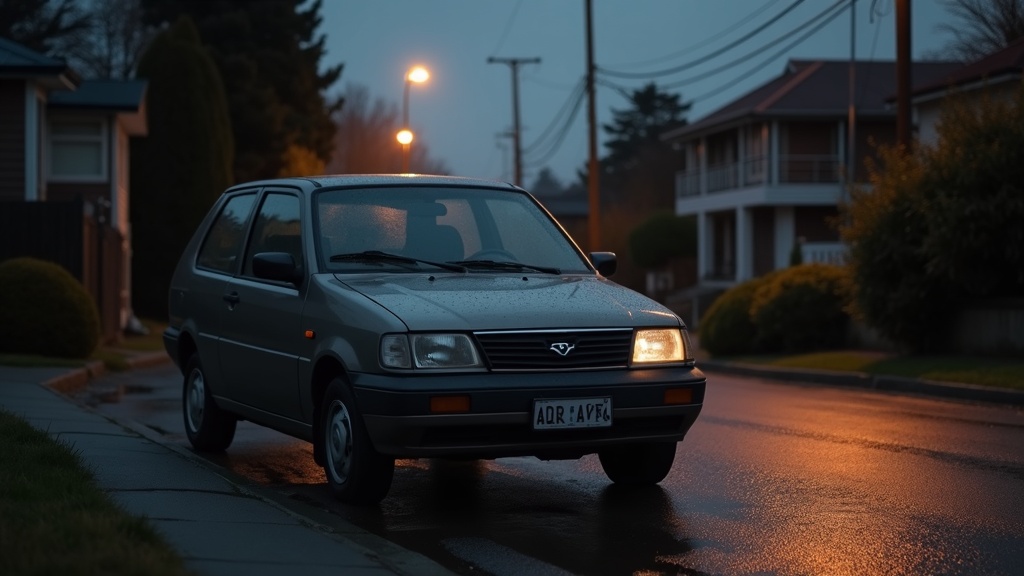
EV road user charges: what Christchurch buyers are actually paying now
The light EV RUC exemption ended March 2026. Here's what Leaf and Aqua PHEV owners are paying in road user charges now, and whether electric still makes financial sense against petrol.
The NZ Angle
New Zealand's RUC exemption for light electric vehicles ran out at the end of March 2026, and the transition has been about as graceful as you'd expect. EVs and plug-in hybrids now pay road user charges the same as diesel vehicles, calculated per kilometre travelled and purchased in advance through NZTA. The current rate for light EVs sits at $76 per 1,000km. For a Nissan Leaf doing 15,000km a year, that's $1,140 annually, straight off the top, before you've bought a single kilowatt. The Toyota Aqua PHEV sits in a different bracket because it also burns petrol, so owners pay RUCs on the electric portion of travel only, but the record-keeping requirement under a distance-based system catches a lot of buyers off guard. Canterbury drivers who were already stretching the Leaf's real-world range through Otago winters now have a new number to fold into their ownership sums. The Clean Car Discount is also long gone, so there's no upfront sweetener left either. What you're left with is a straight comparison: the actual cost of running an EV versus a comparable petrol car, with no subsidies padding the EV side of the ledger.
Read article →
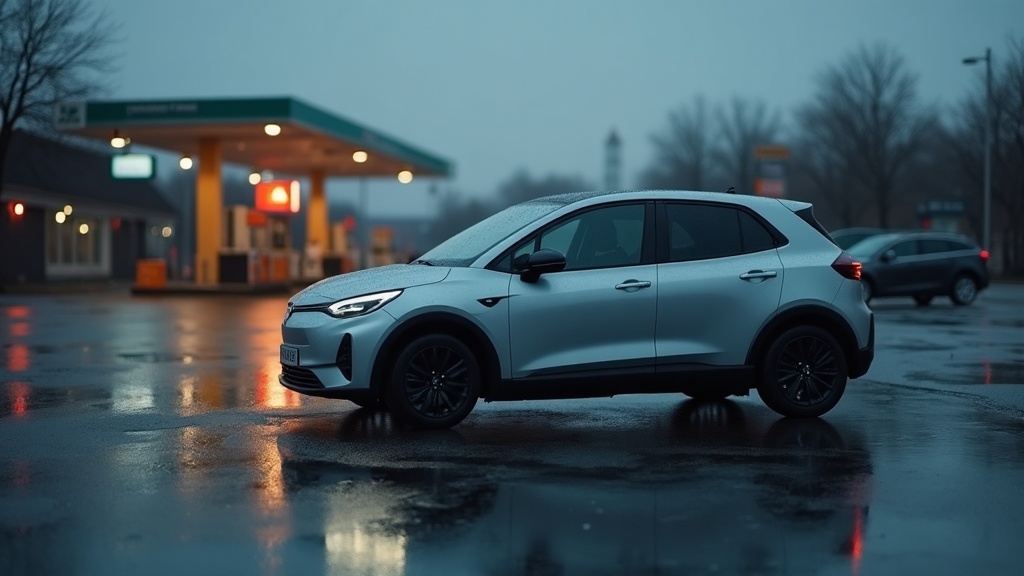
EV running costs after 2027: what the RUC exemption end actually means
The government's RUC exemption for light EVs expires 31 March 2027 with no confirmed extension. Here's what that does to the per-kilometre numbers for a used Leaf or Atto 3.
The NZ Angle
New Zealand has exempted light electric vehicles from road user charges since 2009, a concession that has quietly subsidised EV ownership for anyone driving more than 15,000km a year. That exemption ends 31 March 2027. When it does, EV owners will pay the same RUC rate as petrol drivers effectively pay through the fuel excise levy, currently set at $76 per 1,000km for light EVs once the exemption lapses. That number is set by NZTA and has been signalled for some time, but the government has not confirmed any extension or replacement scheme. For a buyer sitting in front of a used Nissan Leaf or BYD Atto 3 today, that date is close enough to matter. A car purchased now at 2024 prices will still be in daily use in March 2027. The electricity cost advantage that makes EVs compelling on paper narrows considerably once you add $76 per 1,000km back into the equation, and for lower-mileage drivers the case for paying an EV premium over a comparable petrol import gets harder to justify. The Clean Car Discount ended in December 2023, so there is no purchase subsidy left to offset the calculation either.
Read article →
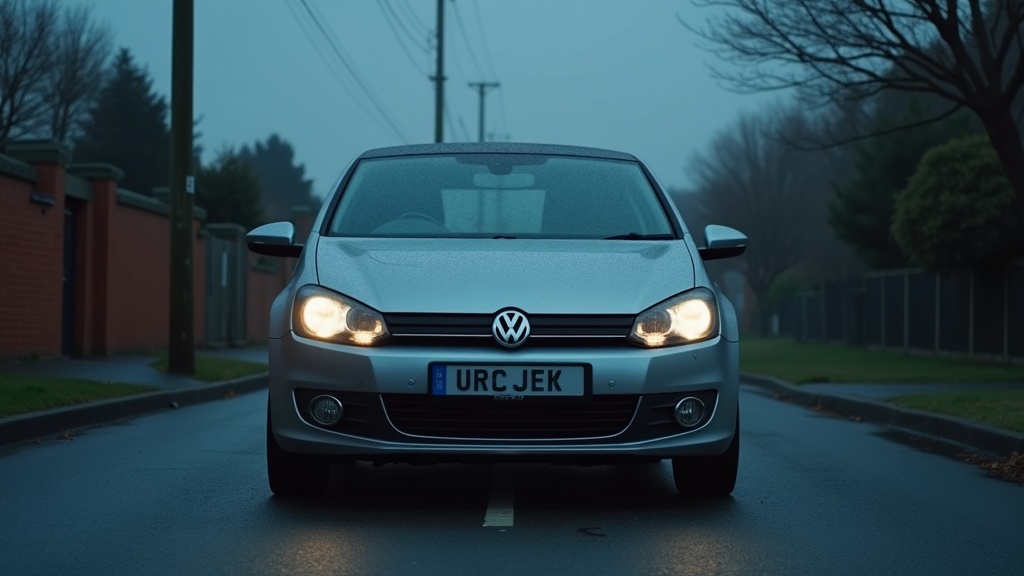
EV running costs after the RUC change: what Canterbury drivers are actually paying
NZTA's April 2026 RUC rates for light EVs have changed the maths on used Leafs and Aquas. We break down the real per-kilometre costs against petrol and diesel alternatives.
The NZ Angle
From April 2026, light electric vehicles in New Zealand pay Road User Charges at a rate of $76 per 1,000 kilometres, up from the previous $53 rate that had been in place since mid-2024. That is a meaningful jump, and it lands on a market that had already absorbed the end of the Clean Car Discount in late 2023. For Canterbury drivers, the maths now looks noticeably different from the picture that convinced a lot of people to buy a Nissan Leaf or a Toyota Aqua hybrid in 2022 and 2023. The Leaf, being a pure EV, carries the full RUC burden. The Aqua, as a petrol-electric hybrid, pays fuel excise duty through the pump instead, so it sits outside the RUC regime entirely. That distinction matters when you are standing on a Christchurch yard comparing a 2018 Leaf 40kWh at $18,500 against a 2019 Aqua at $16,000. The RUC liability is not a small line item anymore. At 15,000 kilometres a year, a Leaf owner is now paying $1,140 annually in RUCs before they have spent a dollar on electricity, servicing, tyres, or insurance. That is the number the sticker price does not tell you.
Read article →
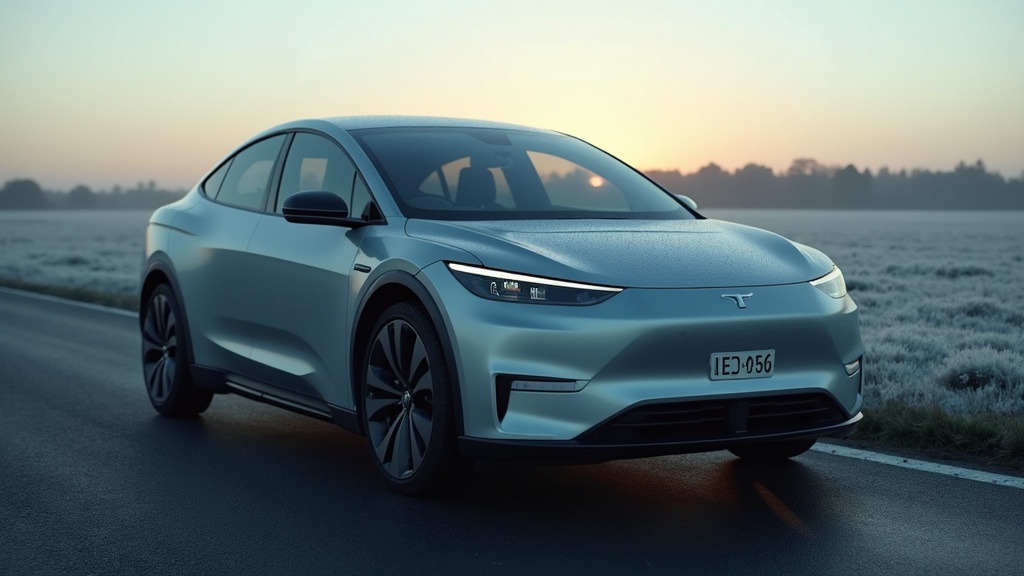
EV road user charges are here: what Canterbury drivers actually pay
NZTA's RUC rates for light electric vehicles took effect 1 June. Here's the per-kilometre cost, how to buy distance licences, and whether EVs still beat petrol on running costs.
The NZ Angle
New Zealand ran a long experiment: let EV owners use the roads for free while the rest of us paid fuel excise. That experiment ended. From 1 June 2024, light electric vehicles under 3,500 kg GVM pay road user charges at $76 per 1,000 kilometres, the same rate applied to light diesel vehicles. The exemption that made a Nissan Leaf or a BYD Atto 3 feel artificially cheap to run has gone, and the real cost of electric motoring in New Zealand is finally visible. For Canterbury owners, the timing lands alongside petrol sitting somewhere between $2.50 and $3.00 per litre depending on which direction the market moved this week, and a used-import market still well stocked with Aquas, Priuses, and Note e-Powers that never paid RUC in their lives and still won't. The question worth asking is whether the new RUC obligation genuinely reshapes the cost comparison, or whether it is the kind of number that looks alarming in a headline and disappears into the noise of actual ownership. The answer, worked through properly, is more reassuring than the headlines suggested.
Read article →
What Christchurch EV owners are actually paying in RUCs now
NZTA's updated light EV road-user charges have been in place long enough to crunch the real numbers. Here's what Leaf and Aqua PHEV drivers are paying per kilometre versus a petrol equivalent.
The NZ Angle
Road-user charges for light electric vehicles in New Zealand moved to 2.53 cents per kilometre from 1 April 2024, up from the previous 2.3 cents. That might sound modest on paper, but it changes the maths for anyone doing serious annual kilometres. In Canterbury, where long commutes from Rolleston, Rangiora, or the hill suburbs are common, a Nissan Leaf owner covering 25,000km a year is now paying $632.50 in RUCs annually, on top of their electricity bill. The Toyota Aqua and Prius Prime, being plug-in hybrids rather than full electrics, sit in different territory: they pay petrol excise on their fuel use but no RUC on the electric portion, which creates a genuinely complicated comparison depending on how much of your driving is electric versus petrol. NZTA's RUC system applies to any vehicle that does not pay fuel excise directly at the pump, which is why full EVs are captured and why diesel vehicles have always been subject to it. For buyers weighing up a used Leaf against a petrol crossover in the $15,000 to $25,000 bracket, the RUC line item is now significant enough that it belongs in any honest cost-of-ownership calculation.
Read article →
RUC hike from June 1: what it actually costs Leaf and Aqua PHEV owners
NZTA's updated RUC rates for light EVs take effect June 1. Here's what the per-kilometre shift means for Leaf and Aqua PHEV running costs and secondhand values heading into winter.
The NZ Angle
New Zealand charges road user charges on EVs and PHEVs instead of collecting revenue at the pump, and NZTA periodically revises those rates. From 1 June 2025, the RUC rate for light EVs rises to $76 per 1,000km, up from $53. PHEVs, which already paid a blended rate, shift slightly too. For a Nissan Leaf owner covering 15,000km a year around Christchurch, that's a jump from roughly $795 to $1,140 annually in RUCs alone, a difference of $345. It's not devastating, but it's real money on a car people largely bought to keep running costs down. Canterbury drivers doing longer daily commutes out to Rolleston, Rangiora or Lincoln will feel it more sharply than someone doing 8,000km a year around the central city. The change also matters for secondhand pricing: used Leaf listings have already been edging up in asking price as newer, longer-range variants arrive, and a higher ongoing cost hurts the value case for older, shorter-range models. For Aqua PHEV owners the impact is smaller given petrol still covers a share of kilometres, but the direction is the same.
Read article →

Prepping your Japanese import for a Canterbury winter
The first cold snap of 2026 is a useful reminder that tyres, WoF items and compliance details on Japanese imports need attention before the temperature drops properly.
The NZ Angle
Most of Canterbury's used-car fleet is Japanese grey-market stock, and that matters once the temperature drops below five degrees and the Port Hills get a dusting. A car imported from Japan arrives with Japanese tyres, often all-seasons or summer compounds that were perfectly adequate for Hokkaido or Nagoya but were never assessed against NZTA's Land Transport Rule 32001 on tyre standards. That rule requires tyres to carry a speed and load rating appropriate to the vehicle, to be in serviceable condition with at least 1.5mm of tread depth, and to be of a size that matches the vehicle's placard or is otherwise certified. What it does not require is a specific cold-weather rating, which is where things get quietly dangerous. Your WoF inspector is checking for visible condition and minimum tread, not compound suitability for three-degree asphalt on a damp Christchurch morning. The compliance gap is real. Pair that with a battery that has sat in a Japanese auction yard over a northern hemisphere summer, cable seals that have never seen a frost, and brake components adjusted for dry urban use, and you have a car that passes its annual WoF and then quietly underperforms on State Highway 73 in July. The preparation list is short. Acting on it is what separates the drivers who find out the hard way from the ones who don't.
Read article →

Mazda CX-5 used buyer's guide: which year and engine to target in 2026
The CX-5 keeps topping used SUV searches in New Zealand. Here's a frank look at which variants are worth buying, what to check, and what to pay in the South Island.
The NZ Angle
The CX-5 has always sold well here, and the used supply reflects that. Compliance-aged examples from Japan trickle in alongside locally-sold new cars, so the market has decent depth. What that also means is that condition varies wildly. A Japanese-market import will have lived a different life to a Christchurch family car, and the service history tells you which. NZTA compliance is standard on all of them before they hit a dealer's yard, but that process checks roadworthiness at a point in time, not long-term mechanical health. Your pre-purchase inspection still matters. WoF intervals after three years drop to annual, so a CX-5 that last passed six months ago is only telling you it was fine then. The diesel CX-5 attracts road user charges on top of running costs, currently around $76 per 1000 kilometres for light vehicles, which nudges the total cost of ownership calculation meaningfully against the 2.0-litre petrol if you're doing modest annual kilometres. At current South Island petrol prices, the economics are closer than the diesel's efficiency numbers suggest. Factor that in before chasing the torque.
Read article →

EV running costs just changed: what RUC means for Leaf and BYD Atto 3 owners
NZTA's updated light EV road user charges kick in mid-2026. Here's what the real per-kilometre cost now looks like against a petrol Corolla on Canterbury distances.
The NZ Angle
New Zealand's road user charge system for light electric vehicles has been phased in gradually, partly to soften the transition from an era when EVs ran essentially free on public roads. That grace period is over. From mid-2026, light EVs under 3.5 tonnes pay a meaningfully higher RUC rate, bringing them closer to what a diesel driver has always paid per kilometre. The rate NZTA has confirmed sits at $76 per 1,000 kilometres for light EVs, up from the $53 introductory rate that applied from 2024. For a Canterbury driver doing 15,000 kilometres a year across the Plains and up into the Port Hills or across to Hanmer, that's an annual RUC bill of $1,140, paid in advance by purchasing a licence before the odometer hits your purchased distance. It doesn't work like a fuel bill. You buy blocks upfront, carry the RUC licence, and if NZTA enforcement checks your vehicle, you need kilometres in hand. The mechanics matter because people often quote EV running costs without factoring RUC in at all, which makes the comparison with petrol cars misleading from the start.
Read article →

Japanese hybrid prices are softening — here's what that means for buyers
Autumn 2026 is showing real price movement in the Japanese hybrid wholesale market. Aquas, Priuses and Axio hybrids are all easing back, and the reasons go deeper than seasonal quiet.
The NZ Angle
The Clean Car Discount ended in late 2023, and its ghost has been haunting the used-car market ever since. For a while, prices on Japanese hybrid imports held firm — dealers and private sellers alike were reluctant to let go of values that had been artificially inflated during the subsidy years. But by autumn 2026, that psychological floor is cracking. Wholesale clearance prices on Aquas, Prius C units, and Axio hybrids have been drifting down at Christchurch and Auckland yards, with some trade-in appraisals running 8–12% below equivalent stock from eighteen months ago. Part of this is the broader EV recalibration happening across the NZ market. Buyers who were bracing for an electric future — and paying hybrid premiums accordingly — are reassessing. Range anxiety on cheap used EVs, patchy charging infrastructure outside main centres, and the end of government incentives have all pushed some buyers back toward petrol, which at current pump prices around $2.50–$2.80 a litre is less punishing than it was two years ago. That swing back to petrol has taken some heat out of hybrid demand. NZTA compliance costs on freshly imported Japanese stock have also crept up, tightening margins for importers and putting gentle downward pressure on retail pricing. The opportunity for buyers is real, but it won't last indefinitely.
Read article →

New WoF brake guidance is catching more older imports — check these things first
NZTA's revised brake-inspection guidance, circulated to WoF inspectors in May 2026, is flagging more rear drum faults on older Japanese imports. Here is what to inspect before you book.
The NZ Angle
Most of New Zealand's used-car fleet arrived from Japan, and a huge proportion of those vehicles are now between ten and twenty years old. That matters here because drum brakes age differently from discs — they trap moisture, the wheel cylinders corrode quietly, and the self-adjuster mechanisms seize without ever giving the driver a warning light or a change in pedal feel. The revised NZTA guidance, which was circulated to inspection agents in May 2026, tightens the assessment criteria inspectors apply to rear drum condition, particularly around cylinder seepage, shoe lining thickness tolerances, and drum scoring. Vehicles that sailed through a WoF twelve months ago may now face a fail on the same components under the updated standard. For Canterbury drivers who rack up kilometres on gravel roads or deal with seasonal flooding on rural routes, the timing matters. A WoF failure on brakes is a same-day repair job if you want to drive the car home — and on an older Caldina, a Premio, or a first-generation X-Trail, the rear drum assembly may not have been touched since the car was shipped. Knowing what to look for before you present the car could save you a failed inspection and a bill you were not expecting.
Read article →

Hybrid SUV prices are closing in on petrol at Japanese auction
April 2026 auction data from Japan shows the yen's stabilisation is compressing the price gap between hybrid SUVs and their petrol equivalents, with direct consequences for Canterbury buyers.
The NZ Angle
For Canterbury buyers, the RAV4 Hybrid has long been the sensible answer to a straightforward question: does the premium over a petrol RAV4 pay off? On Alpine Highway runs and Methven weekend trips, the hybrid's efficiency case was easy to make. The harder part was always the purchase price. Landed cost on a Japanese-import RAV4 Hybrid has sat meaningfully above its petrol equivalent for the past two years, driven partly by post-COVID demand and partly by a yen that made Japanese sellers very happy. That dynamic is shifting. As yen depreciation eases and auction clearance prices on hybrids soften relative to petrol grades, the gap that once justified a long conversation with your accountant is narrowing to something closer to a no-brainer. Compliance costs, WoF schedules, and RUC exemptions on full hybrids all stay the same regardless of what the yen does, but when the buy-in price drops by a meaningful margin, the total ownership maths changes fast. Dealers sourcing stock right now are seeing it in their buying. Buyers shopping Canterbury yards in the next 90 days may start to see it in the sticker prices too.
Read article →

EV running costs after the 2026 RUC change: does the maths still hold?
NZTA's updated light EV RUC rates land 1 July 2026. We work through the real per-kilometre numbers for Leaf and Ioniq 6 owners and compare them against a petrol alternative.
The NZ Angle
From 1 July 2026, light electric vehicles in New Zealand will pay Road User Charges for the first time at a rate that NZTA has been signalling for several years. The transition ends the RUC exemption EVs have held since 2009, and while the exact per-kilometre rate is still subject to final confirmation, the indicative figure sits around $76 per 1,000 km for light EVs, which puts it meaningfully below the diesel RUC rate but still a new line item for owners who have been running cost-free on that front. For Canterbury drivers, the context matters. Christchurch's relatively flat urban layout suits EVs well, but the run to Arthur's Pass or down to Akaroa introduces range anxiety on older Leafs in winter temperatures, where battery capacity drops noticeably in single-digit cold. The 2026 RUC change doesn't alter the physics, but it does shift the spreadsheet. Anyone who bought a used Leaf or a newer Ioniq 6 partly on the strength of zero RUC liability needs to recalculate. The question is whether electricity's per-kilometre cost advantage over petrol at current pump prices is wide enough to absorb the new charge without the case for electric falling apart.
Read article →

RAV4 Hybrid vs CX-5 diesel: what it actually costs per km in Canterbury
RUC rises and tightening Japanese hybrid supply are reshaping the used-car sums. We run the real per-kilometre numbers for a Canterbury driver doing 15,000 km a year.
The NZ Angle
Light diesel RUC rates have climbed again, sitting at $76 per 1,000 km as of the current NZTA schedule, and that figure has a habit of moving in one direction. For Canterbury buyers, this matters more than it might in a city where public transport takes some of the load: people here drive, often on open roads, and 15,000 km a year is a conservative estimate for anyone commuting out of Rangiora or Rolleston. Meanwhile, the supply of low-mileage Japanese hybrid imports has been tightening since early 2023. The yen has weakened, Japanese domestic prices have risen, and compliance costs have not got cheaper. A clean 2020 RAV4 Hybrid that might have been $38,000 two years ago is now sitting at $43,000-$47,000 on Trade Me, if you can find one with sensible kilometres. The 2020 Mazda CX-5 diesel, by contrast, is more plentiful, easier to inspect, and typically asking $32,000-$36,000 for a decent example. The question is whether the CX-5's lower purchase price survives contact with the fuel and RUC bill over three to five years of Canterbury driving.
Read article →
NZ Automotive Resources
NZTA Waka Kotahi
NZ Transport Agency — regulations, licensing, road safety
Visit site→
AA New Zealand
Motoring advice, vehicle inspections, insurance
Visit site→
Consumer NZ
Independent vehicle reviews and buyer guides
Visit site→
Driven
NZ Herald automotive news, reviews, and listings
Visit site→
Motor Industry Association
NZ new vehicle sales data and industry statistics
Visit site→
RightCar
Government fuel economy and emissions ratings
Visit site→