
Diesel SUV vs hybrid in Canterbury: running the real numbers after April 2026 RUC changes
The NZ Angle
Road User Charges are the tax that diesel and EV drivers pay in lieu of fuel excise, and NZTA adjusts them periodically. From April 2026, light diesel vehicles (under 3,500kg) are sitting at $76 per 1,000km, up from earlier rates, which changes the sums meaningfully for anyone running a diesel SUV as a daily driver. For Christchurch owners specifically, the calculus is complicated by the terrain. The road to Mount Hutt, the Inland Scenic Route, and the back runs to Hanmer or Akaroa are exactly the kind of mixed-surface, loaded-vehicle kilometres that have traditionally made diesel torque worth paying for. But with petrol sitting around $2.60 to $2.80 per litre for 91 and hybrids widely available in the $18,000 to $28,000 range on the local used market, the diesel premium needs to be justified by genuine running cost savings, not just the feeling of pulling power on a gravel climb. WoF intervals settle to annual after three years, so maintenance rhythm is similar across all three options once the vehicle ages out of the six-monthly schedule. The question is whether the fuel and RUC maths actually favour diesel in 2026, or whether the hybrid case has finally caught up.
RUC rates shifted again in April 2026. We run the actual per-kilometre costs for a diesel CX-5 or X-Trail against a hybrid alternative for Christchurch owners doing mixed town and alpine driving.
April 2026 brought another RUC adjustment, and light diesel vehicles now pay $76 per 1,000km. That sounds modest until you do the annual mileage on a car that's genuinely used: 18,000km a year puts $1,368 in RUC costs before you've bought a litre of diesel. Add fuel, servicing, and the purchase price premium of a diesel CX-5 or X-Trail over a comparable hybrid, and the numbers deserve a proper look.
The starting point for this comparison is a realistic Canterbury buyer: a household running one car for Christchurch commuting, weekend ski-field runs, and the occasional loaded trip to the bach or the Hanmer pools. That's maybe 55 percent urban, 45 percent open road and gravel. It's exactly the use case diesel advocates point to, and it's a fair test.
The diesel case: CX-5 and X-Trail
A 2018 to 2020 Mazda CX-5 2.2-litre diesel in XD trim sits around $24,000 to $29,000 on the current Christchurch used market. The Nissan X-Trail 2.0 diesel from similar years runs $20,000 to $25,000, though the X-Trail's diesel has a patchier reputation for DPF issues at higher mileage. The CX-5 diesel is the better engine of the two, full stop.
Diesel at the pump is running roughly $2.10 to $2.30 per litre in Canterbury right now. The CX-5 diesel returns around 6.5 to 7.5 litres per 100km in real mixed driving, call it 7.0L/100km as a working figure. At $2.20/L, that's $15.40 per 100km in fuel alone. Add RUC at $7.60 per 100km and you're at $23.00 per 100km in energy costs.
Over 18,000km annually: fuel costs roughly $2,772, RUC adds $1,368, total energy spend is $4,140 per year.
Servicing a CX-5 diesel on genuine or quality independent parts runs around $400 to $600 per service, annually, plus a timing chain or DPF clean-out if you're buying one with 120,000km or more on it. Parts are well-supported locally; Mazda's network means you're not waiting six weeks for a sensor from Japan.
The hybrid alternative: X-Trail hybrid and Toyota Aqua
The hybrid X-Trail (the T32 e-Power isn't common here, but the older T31 petrol-hybrid variant exists in small numbers) is a different proposition to the diesel. More relevant is the straight comparison against a capable petrol hybrid: a 2019 to 2021 Toyota Aqua as a runabout alternative, or a 2018 to 2020 Toyota RAV4 hybrid if the buyer genuinely needs the SUV footprint.
An Aqua in good condition sits at $14,000 to $18,000. A RAV4 hybrid from that era is $28,000 to $35,000, which pushes it out of the direct comparison bracket. So let's run the Aqua as the hybrid alternative for a buyer who could manage with a smaller car, and note the RAV4 hybrid for those who can't.
The Aqua returns around 3.6 to 4.5L/100km in real mixed Canterbury driving, including the alpine runs where the regenerative braking on the descent actually helps. Call it 4.2L/100km. Petrol at $2.70/L (91) gives $11.34 per 100km. No RUC. Over 18,000km: $2,041 per year in fuel.
That's $2,099 per year less than the diesel CX-5 in energy costs alone. Over five years, that's $10,495 in savings, before accounting for the lower purchase price of the Aqua.
The Aqua isn't the same car, of course. You're giving up ground clearance, tow capacity, and the settled high-speed composure of the CX-5. On a gravel road with a loaded boot, that matters. But for a genuine mixed-use daily driver where the ski trips are occasional rather than weekly, the Aqua's running cost advantage is hard to argue with.
Where diesel still earns its keep
If you're towing a trailer or a small boat regularly, covering more than 25,000km a year, or running to the ski field most weekends between July and September loaded with gear and passengers, the diesel's real-world torque and range between stops still has a case. A CX-5 diesel at motorway speeds in particular is genuinely efficient, and the tank range is excellent.
The X-Trail diesel is harder to recommend at current prices. The DPF is a known issue on high-mileage examples, regeneration cycles on the Canterbury short-trip mix can clog it prematurely, and repairs are not cheap. A DPF replacement or clean on a neglected X-Trail can run $800 to $2,500 depending on severity. If you're buying one, get the DPF inspected on a pre-purchase check and ask about the service history for long-run frequency.
The CX-5 diesel at 150,000km is a different story: the engine is proven, the gearbox is reliable, and the ownership experience is largely straightforward if it's been serviced properly. At current pricing, it represents decent value for the buyer who genuinely needs the capability.
For everyone else doing Canterbury mixed driving without a regular tow or a heavy weekend load, the hybrid arithmetic has finally tipped. The RUC adjustment in April 2026 didn't make diesel uneconomical overnight, but it narrowed the remaining margin. The honest answer is that a well-chosen hybrid costs less to run and less to buy, and most Canterbury drivers won't miss what the diesel offers.
By Paul Gray. See our editorial standards or email sales@premiumwholesalecars.co.nz with corrections.
More automotive
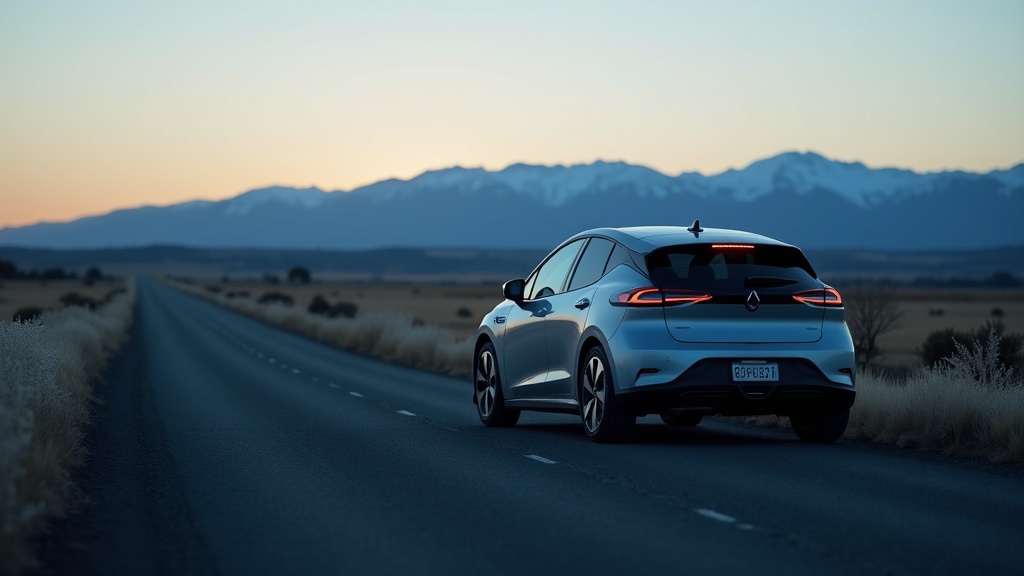
EV road user charges are live: what Canterbury drivers actually owe
The RUC exemption for light electric vehicles ended in 2024. Here is what Canterbury EV owners now pay per kilometre, how to buy licences, and whether the numbers still make sense.
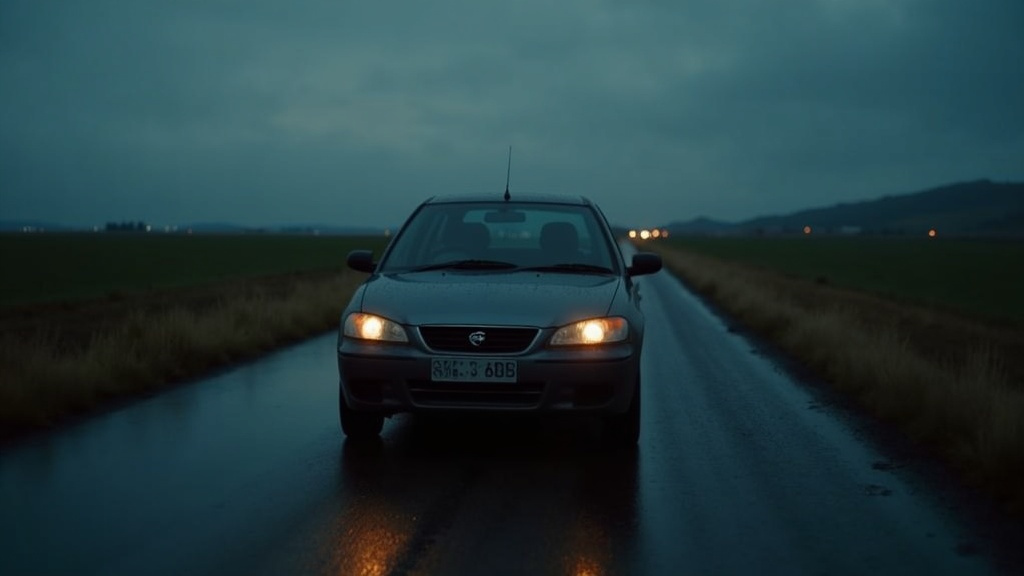
EV running costs in 2026: do the numbers still work?
The RUC exemption is gone and per-kilometre charges are now a real line item. We run the actual numbers for Leaf, Ioniq 5 and MG4 owners against petrol and hybrid alternatives.
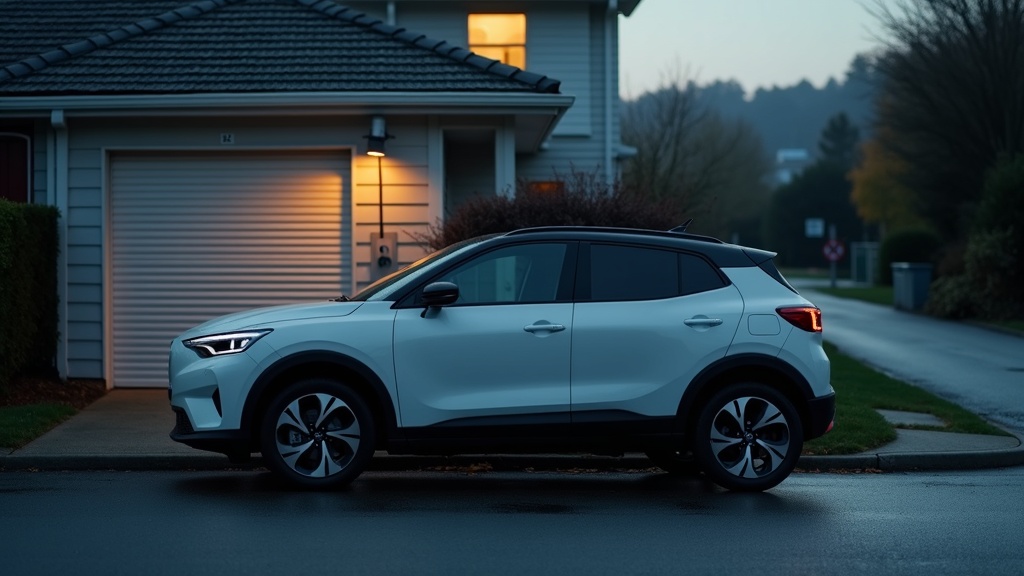
Leaf vs petrol hatch: what the real running costs look like now
RUC charges for light EVs have been in place a year. We crunch the actual per-kilometre cost gap between a used Nissan Leaf and a comparable petrol hatch for Canterbury drivers doing average ks.