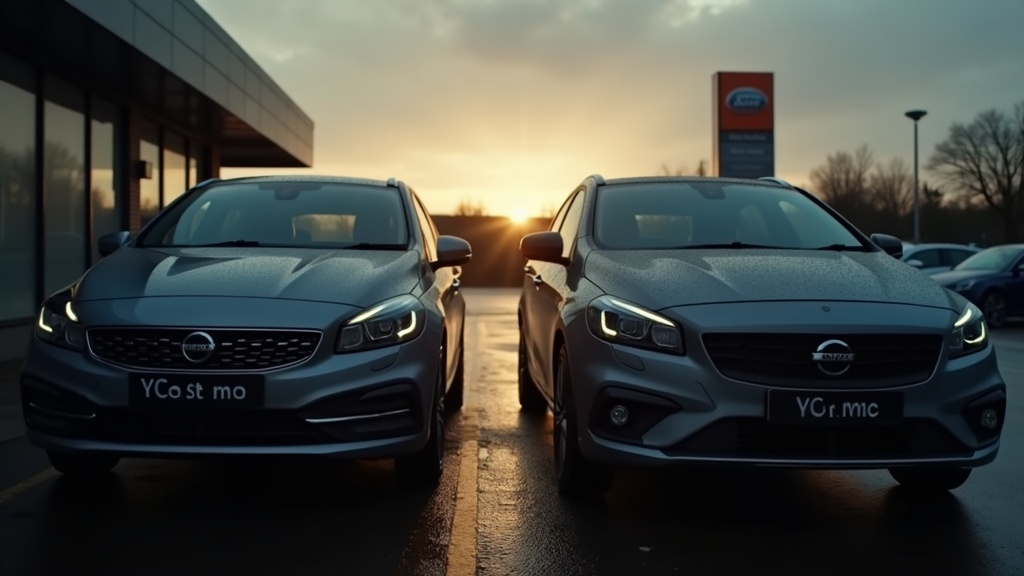
Leaf and Aqua prices have found a floor — maybe
The NZ Angle
The Clean Car Discount ran from 2021 until the new government pulled the plug in December 2023, and while it lasted it turbocharged demand for imports like the Nissan Leaf and Toyota Aqua. Rebates of up to $8,625 on new EVs and scaled incentives on used imports pushed prices well above where fundamentals justified them. When the rebates vanished, so did the premium buyers had been paying. Canterbury dealers started seeing Leafs that had been sitting at $18,000 suddenly need $2,000 taken off before anyone would bite. Aquas that cleared yards in a weekend started needing a fortnight. Twelve months on, the correction has largely run its course, though not uniformly. Leaf owners who bought at peak 2022 prices are sitting on paper losses they would rather not think about. Aqua owners have fared better, partly because petrol at $2.50-$3.00 a litre still makes a 3.5L/100km hybrid genuinely compelling on running costs alone. RUC liability on EVs, which catches a lot of first-time Leaf buyers off guard, has also kept a lid on Leaf demand, particularly among buyers doing high annual kilometres. The compliance and WoF picture is straightforward on both models: post-three-year WoF intervals apply, and frontal impact certification is standard on complied Japanese imports through any reputable yard.
A year after the Clean Car Discount disappeared, used hybrid and EV prices in Canterbury have stabilised. Here is where values actually sit and what buyers should do next.
The Clean Car Discount is gone and it has been gone for a year. What happened to the prices of the cars that benefited most from it is a story told in two parts: a sharp correction through the first half of 2024, followed by something quieter and harder to read. Either the market is bottoming out, or it is catching its breath before sliding further. Depending on which Canterbury yard you talk to, you will get a different answer.
Let's start with the numbers.
Where Leaf prices actually landed
At the peak of the discount era, a clean 40kWh 2018 Nissan Leaf with reasonable kilometres was regularly moving at $22,000 to $25,000 on Canterbury yards. That was not a fantasy number — rebates were real money, fuel savings were real money, and EV novelty was still drawing buyers in. By mid-2024, that same car was advertised at $17,000 to $19,000 and taking longer to sell. By the end of the year, $14,000 to $16,000 was becoming the honest conversation for a tidy example, with grubby or high-kilometre cars dropping into the low tens.
The 24kWh generation — the older Leaf, 2015 to 2017 — has been harder hit because the real-world range on an aged battery is genuinely marginal for anyone outside a city. Those are sitting at $6,000 to $9,000 now, and they are not flying out the door. For a second car doing short urban runs, there is an argument. For anything else, the maths gets uncomfortable fast, particularly once you factor in that RUC liability accrues from the moment you buy an EV, not from when you register it, and a lot of buyers are still learning that the hard way.
The 62kWh e-Plus model tells a different story. Supply is thinner, range anxiety is not an issue, and demand from buyers who actually did their homework has held up better. Expect to pay $24,000 to $28,000 for a genuine low-kilometre example. That price has softened from its 2022 highs but has not collapsed.
Frankly, the floor on standard 40kWh Leafs looks close. There is a natural buyer at $14,000 to $16,000: someone who drives within Wellington, Christchurch, or another mid-size city, charges at home overnight, and is not doing the Christchurch to Timaru run every fortnight. Below $12,000, demand should firm up further. Whether prices actually reach $12,000 in volume depends on how many distressed sellers are still to come through, and that number is hard to know.
Aqua is a more interesting case
The Toyota Aqua has not suffered the same kind of rout, and the reason is simple: it is still genuinely cheap to run on petrol. You do not need to think about charging infrastructure, RUCs, or battery degradation. You fill it up, you drive it, it returns somewhere between 3.5 and 4.5 litres per hundred kilometres depending on how you use it, and you carry on. For a Canterbury commuter doing 15,000 kilometres a year, that is real money saved against a comparably priced petrol hatchback.
The correction happened, but it was milder. A late-model Aqua with the second-generation hybrid system (2021 onwards, the GR Sport and Z grades) has come back from $22,000-plus to roughly $18,000 to $21,000 for a clean example. The older first-generation cars (2011 to 2017) have settled in a wide band from about $9,000 for a tired high-kilometre example to $14,000 for something genuinely presentable and recently complied.
For my money, the best buy in the current market is a 2018 to 2020 Aqua with under 60,000 kilometres, bought from a yard that has done the compliance properly. That car is available for $13,000 to $16,000 right now, runs reliably, carries four adults without embarrassment on a short run, and will cost you almost nothing to own if you are not thrashing it.
Whether we are at the floor
Here is what I think: the Aqua is close to its natural value floor, and further drops will be modest. Demand from practical-minded buyers who want fuel economy without EV complexity has not gone away. The discount era inflated prices by perhaps 15 to 20 percent over fair value, and that inflation has largely been digested.
The Leaf is less settled. The real-world case for a 40kWh Leaf sits on a specific type of buyer with a specific type of driving life, and that buyer pool is narrower than the marketing suggested. The battery degradation question is also not going away. A Leaf with 130,000 kilometres and a state of health under 80 percent is a genuinely different product from one with 60,000 kilometres and a healthy battery, and the market is only slowly learning to price that difference accurately. Until buyers consistently check state of health before purchase, pricing will stay a little chaotic.
The Canterbury winter is worth mentioning. EV range drops in cold weather, it just does, and a South Island buyer considering a Leaf should test the car in real conditions before committing. The Aqua is entirely indifferent to a frost.
If you are sitting on the fence waiting for prices to fall further before buying a Leaf, you are probably waiting for a correction that has already mostly happened. If you are waiting on an Aqua, there is less urgency still but not much more softness to come.
The discount era is a sunk cost. The cars are what they are, at prices that finally reflect that.
By Paul Gray. See our editorial standards or email sales@premiumwholesalecars.co.nz with corrections.
More automotive
EV road user charges are live: what Canterbury drivers actually owe
The RUC exemption for light electric vehicles ended in 2024. Here is what Canterbury EV owners now pay per kilometre, how to buy licences, and whether the numbers still make sense.

EV running costs in 2026: do the numbers still work?
The RUC exemption is gone and per-kilometre charges are now a real line item. We run the actual numbers for Leaf, Ioniq 5 and MG4 owners against petrol and hybrid alternatives.
Leaf vs petrol hatch: what the real running costs look like now
RUC charges for light EVs have been in place a year. We crunch the actual per-kilometre cost gap between a used Nissan Leaf and a comparable petrol hatch for Canterbury drivers doing average ks.