
Leaf vs Aqua: real running costs for a Canterbury winter commuter
The NZ Angle
Canterbury buyers have always had to think harder about a winter commuter than most. The Port Hills can ice up overnight, the plains sit under frost for weeks, and a car that's fine in Auckland can feel genuinely marginal on a Canterbury morning. That context matters when you're weighing up a used Nissan Leaf or Toyota Aqua, because both are common on the South Island market and both carry costs that don't show up in the sticker price. The Clean Car Discount closed at the end of 2023, so the rebates that made a used Leaf look cheap on paper are gone. What's left is the real number: wholesale EV prices have continued to ease through early 2026, with tidy 40kWh Leafs sitting in the $16,000–$21,000 range at auction and Aquas ranging from around $12,000 for a high-mileage import to $18,000-plus for a low-k late model. Neither price is the whole story. A Leaf attracts Road User Charges once you buy it, currently $76 per 1,000km for light EVs, and that's a cost many buyers still overlook. An Aqua runs on petrol and pays its road tax at the pump, with fuel sitting around $2.50–$3.00 per litre. The numbers are close enough that the choice comes down to how you use the car and how honest you are about Canterbury's charging infrastructure outside the city.
The Clean Car Discount is gone, wholesale EV prices are still softening, and Canterbury winters are brutal. Here's what a used Leaf or Aqua actually costs to run.
The used EV market has been sliding quietly since the Clean Car Discount closed. Dealers who overpaid at the peak are clearing stock, and buyers willing to do their homework are finding the best value they've seen on second-hand Leafs in years. The Aqua has always been reasonably priced; it's a Toyota hybrid that Kiwis trust and the supply is steady. But cheap to buy and cheap to run are different things, and for a Canterbury commuter doing 15,000–20,000km a year, the gap matters.
What you're actually paying to run each car
Start with the Leaf. A 40kWh ZE1 Leaf, which is the generation you should be looking at unless you find an exceptional deal on a 30kWh car with a proven battery, will cost you RUCs from day one. At $76 per 1,000km, a 15,000km year costs $1,140 in road user charges before you've spent a cent on electricity. Add home charging at roughly 25–30 cents per kWh on a standard Meridian or Contact plan, and 15,000km in a Leaf running at around 17kWh/100km works out to about $640–$770 in electricity. Total energy and RUC cost for the year: around $1,800–$1,900. That's genuinely low.
The Aqua does about 4.5–5.0L/100km in mixed real-world driving. At $2.70 per litre, 15,000km costs roughly $1,820–$2,025 in petrol. So the gap in annual running cost between the two cars is smaller than the EV marketing would have you believe, particularly once you factor in that Canterbury winters push EV range down. Cold batteries use more energy for heating and deliver less range. A 40kWh Leaf with 85% state of health in July, running the heater, might give you a genuine 160–180km of range rather than the headline 270km. That's still enough for most commuters, but it's the honest number.
WoF is annual for both once they're past three years old, which most used imports already are by the time you buy them. The Leaf's service schedule is light: no oil, no timing belt, no exhaust. But brake inspectors sometimes flag regenerative braking cars for marginal rear brakes because regen does so little work at the back axle. Budget for a rear brake service every 40,000–50,000km or so regardless of what the pads look like. The Aqua is similarly low-drama mechanically, though inverter and hybrid battery costs are real if you buy one with high mileage and no service history.
The battery question nobody wants to answer honestly
Buying a used Leaf without a battery health check is like buying a used car without checking the oil. The 24kWh and 30kWh first-generation cars lose capacity noticeably; the 40kWh cars are better but not immune. A Leaf with 80% state of health isn't ruined, but it changes your range calculations significantly. Before you buy, get the battery report pulled via the OBD port with a Leaf Spy reading or similar. Any dealer who refuses that request is telling you something.
For the Aqua, the equivalent question is the hybrid battery. Toyota's hybrids have a strong track record and the Aqua's battery is generally durable, but a high-mileage car from a Japanese fleet is worth having inspected by someone who can check the cell balance. A replacement hybrid battery for an Aqua from a wrecker runs $800–$1,500 fitted; a new one from Toyota is considerably more. Know what you're buying.
Which one makes more sense for a Canterbury winter
The Leaf is a better car to drive. The weight sits low, the front end is accurate, and on a cold Canterbury morning it settles into its job without fuss. You feel the traction control working on frosty corners in a way that builds rather than destroys confidence. It's planted. The Aqua is lighter and more nervous on turn-in; it wants to push the front on cold tyres until everything warms up, which takes a few kilometres. Neither is a problem if you drive to the conditions, but the Leaf's mass works in its favour on mixed winter surfaces.
The practical edge goes to the Aqua for anyone who regularly drives beyond Christchurch. Methven, Hanmer, Kaikōura — you can do any of those without planning a charging stop. The Leaf's charging network is adequate in the city and along SH1, but the moment you're on a secondary road in winter, range anxiety becomes real anxiety. That's not a marketing concern; it's geography.
For a city commuter doing Rolleston to the CBD and back, the Leaf wins on running cost and driving feel. For anyone whose job or lifestyle takes them off the main routes regularly, the Aqua's flexibility is worth the slightly higher fuel spend. Neither car is a mistake at current prices. Just go in with accurate numbers rather than optimistic ones.
By Paul Gray. See our editorial standards or email sales@premiumwholesalecars.co.nz with corrections.
More automotive
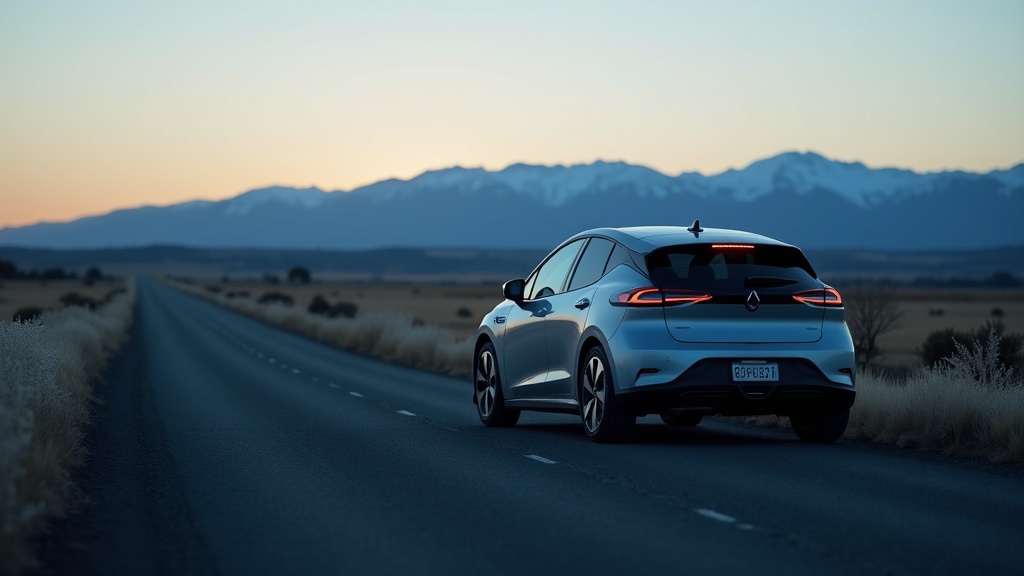
EV road user charges are live: what Canterbury drivers actually owe
The RUC exemption for light electric vehicles ended in 2024. Here is what Canterbury EV owners now pay per kilometre, how to buy licences, and whether the numbers still make sense.

EV running costs in 2026: do the numbers still work?
The RUC exemption is gone and per-kilometre charges are now a real line item. We run the actual numbers for Leaf, Ioniq 5 and MG4 owners against petrol and hybrid alternatives.
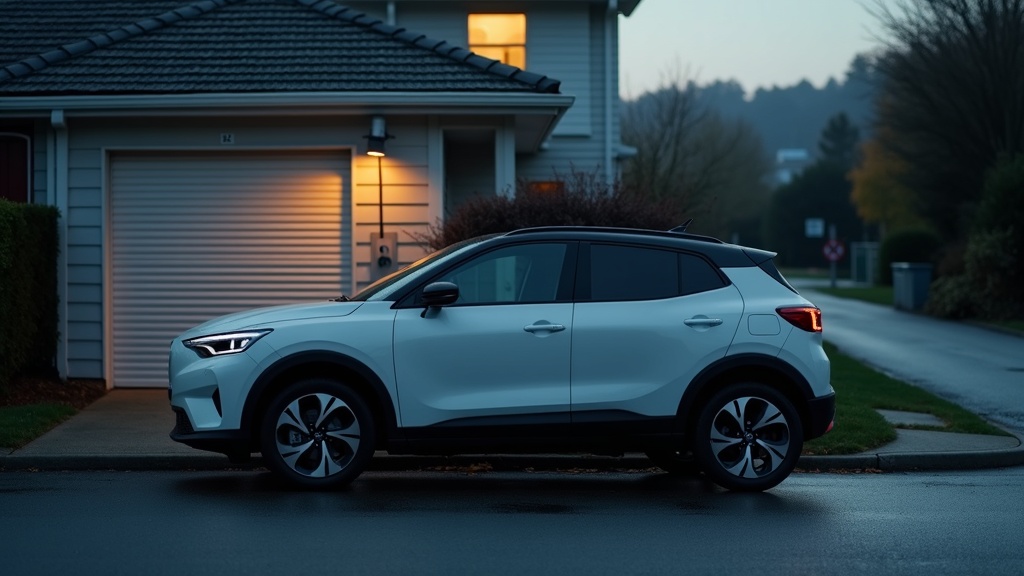
Leaf vs petrol hatch: what the real running costs look like now
RUC charges for light EVs have been in place a year. We crunch the actual per-kilometre cost gap between a used Nissan Leaf and a comparable petrol hatch for Canterbury drivers doing average ks.