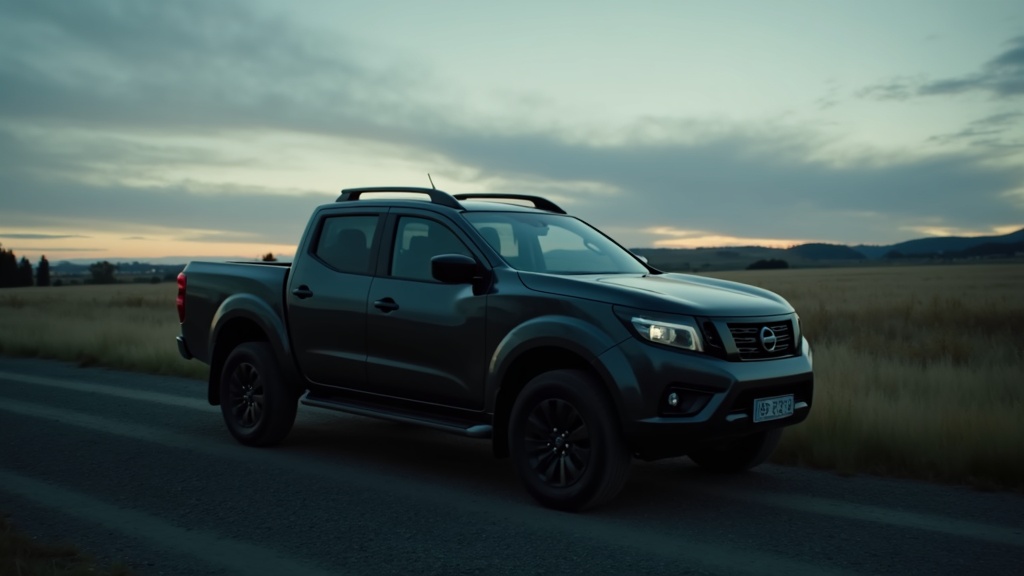
Second-hand diesel utes in Canterbury: are prices finally dropping?
The NZ Angle
Road user charges on diesel vehicles have climbed steadily, sitting at $76 per 1,000 kilometres for vehicles under 3,500kg as of mid-2024, and that number matters when you are shopping for a used Hilux or Ranger. The Clean Car Discount, which briefly made cleaner vehicles artificially attractive by penalising higher-emitting ones at point of sale, ended in December 2023. Its removal meant the Clean Car Fee that had been added to ute sticker prices disappeared overnight. In theory, that should have softened new ute prices, which in turn should have dragged used values down. Canterbury is a reasonable place to watch this play out. The region runs a lot of working utes, the agricultural and construction sectors keep private-plate Hiluxes and D-Maxes turning over regularly, and Canterbury winters give buyers genuine reasons to want a diesel four-wheel drive rather than just wanting one. Whether the market has actually responded to these cost pressures, or whether sellers are still pricing like it is 2022, is what six months of Trade Me asking prices can start to answer.
RUC increases and the end of the Clean Car Discount have changed the calculus for diesel ute buyers. We tracked real asking prices over six months to see who is actually blinking first.
The diesel ute was, for a few years running, the best-selling vehicle in New Zealand. That is a sentence worth sitting with. Not a hatchback, not a hybrid, not a family SUV. A diesel ute. The country bought them in extraordinary numbers through the early 2020s, and the used market filled up accordingly. Now those trucks are cycling through their second and third owners, RUC costs have moved higher, and the economic conditions that made a $65,000 Ranger feel like a sensible purchase have shifted. The question is whether the asking prices have shifted with them.
The short answer, based on six months of tracking Canterbury listings on Trade Me, is: a little, but not as much as buyers might hope.
What the numbers actually show
At the start of this year, a well-specced 2020 Toyota Hilux SR5 double cab with around 60,000km on it was reliably listed in the $58,000 to $63,000 range from private sellers, with dealers sitting at the top of that bracket or just above. By mid-year, the same specification and vintage was appearing more frequently in the $54,000 to $59,000 band. That is a movement of roughly five to eight percent, which sounds meaningful until you remember that these trucks were selling for $45,000 to $48,000 in 2020 before the supply crunch inflated everything.
Ford Rangers tell a similar story. A 2021 Ranger Wildtrak 4x4 with 50,000km was commanding $57,000 to $62,000 in January. By June, you could find equivalent trucks in the $53,000 to $57,000 range without too much searching. Dealers have been slower to move than private sellers, which is typical, but the gap between the two has widened enough that private sale is now the more attractive hunting ground for a buyer willing to do their own due diligence.
Mitsubishi Tritons and Isuzu D-Maxes have softened a fraction more aggressively, possibly because they lack the badge premium of a Hilux or Ranger, and buyers walking away from those two will often park their money in a D-Max rather than leave the segment. That increased supply at the value end has pushed asking prices on tidy 2020 to 2022 Tritons down to territory that would have looked cheap eighteen months ago.
Why prices have not dropped harder
Here is what I think is holding the market up: a lot of the sellers are not motivated. A tradesperson who bought a Hilux in 2021 and has now upgraded to a new one is not distressed. They are not carrying a loan that needs clearing urgently. They put it on Trade Me at what they think it is worth, they leave it there for six weeks, and if it does not sell they either drop the price by two grand or take it to auction. The asking price is not always the selling price, and the gap between those two numbers has grown.
RUC costs are a genuine drag, but they are not the first thing a private seller factors into their asking price. They are the first thing a buyer factors into their offer. That creates a standoff, and standoffs resolve slowly.
The Clean Car Fee disappearing from new utes was supposed to make new trucks more competitive, and for a period it did. But new Hilux pricing has not collapsed, and dealers are under no pressure to discount aggressively when supply is normalising rather than flooding. A new Hilux SR5 double cab is still sitting north of $65,000 drive-away from most Toyota dealers. That ceiling keeps used values from falling through the floor.
What a buyer should actually do right now
Frankly, the best deals in this segment right now are on trucks with slightly higher kilometres, in the 80,000 to 110,000 range, where private sellers are motivated and the next service interval or tyre replacement makes them more willing to negotiate. A 2019 Hilux SR5 with 95,000km and a full service history is still a very usable truck, and the asking prices on those have softened more noticeably than on low-kilometre examples where sellers still believe they hold a premium asset.
Check the RUC balance before you buy anything. A diesel ute with 40,000 RUCs remaining at purchase is meaningfully different from one with none, and sellers are not always forthcoming about it. Factor in that you are looking at $76 per 1,000km on top of your running costs, plus tyres that on a truck this size are not cheap, and the real cost of ownership over three years starts to look rather different from the sticker price.
The market is softening. It has not capitulated. Whether it does depends on whether interest rates stay where they are, whether fuel prices push people further toward smaller vehicles, and whether the tradies and farmers who dominate this segment feel confident enough to keep spending. For now, sellers are holding firmer than the economic conditions probably justify, and buyers are doing what buyers do when they are not convinced the timing is right.
They are waiting.
By Paul Gray. See our editorial standards or email sales@premiumwholesalecars.co.nz with corrections.
More automotive
EV road user charges are live: what Canterbury drivers actually owe
The RUC exemption for light electric vehicles ended in 2024. Here is what Canterbury EV owners now pay per kilometre, how to buy licences, and whether the numbers still make sense.
EV running costs in 2026: do the numbers still work?
The RUC exemption is gone and per-kilometre charges are now a real line item. We run the actual numbers for Leaf, Ioniq 5 and MG4 owners against petrol and hybrid alternatives.
Leaf vs petrol hatch: what the real running costs look like now
RUC charges for light EVs have been in place a year. We crunch the actual per-kilometre cost gap between a used Nissan Leaf and a comparable petrol hatch for Canterbury drivers doing average ks.