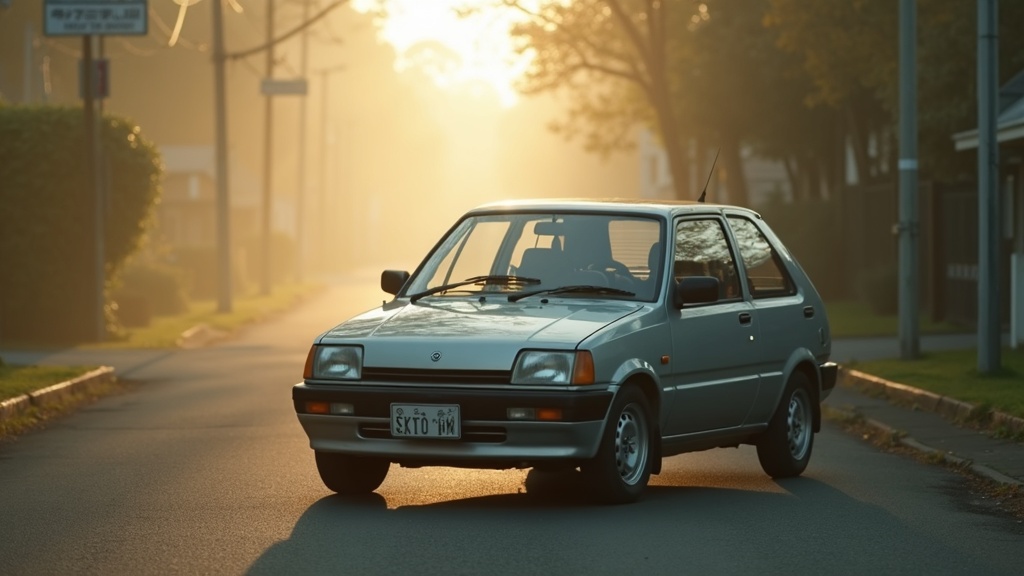
Why hybrid hatchback prices have softened in Christchurch this autumn
The NZ Angle
The Clean Car Discount ran from July 2021 until the incoming National-led government pulled the plug at the end of 2023. During those two-plus years, rebates of up to $8,625 on low-emission vehicles artificially propped up demand for exactly the cars we're talking about: sub-150,000km Japanese-import petrol-hybrids in the $12,000–$22,000 bracket. Dealers bought stock aggressively, compliance yards pushed compliance volumes, and retail prices followed demand upward. When the discount ended, that pipeline didn't stop overnight. Stock that was purchased or ordered under the old economics kept arriving through late 2023 and into early 2024. By autumn 2025 that overhang has worked through the system and landed hard on yard valuations across Christchurch. Add Canterbury's traditionally quieter autumn buying market, a broader softening in consumer confidence, and the fact that the Aqua in particular has become genuinely common on NZ roads, and you have a real correction in the $10,000–$18,000 hybrid hatchback segment. For buyers who held off during the rebate frenzy, the timing now looks materially better.
Aqua, Fit Hybrid and Note e-Power prices at Canterbury yards have dropped since March. Here's what's behind the slide and whether now is the right time to buy.
Spend a Saturday morning driving the yards on Moorhouse Avenue or out toward Sockburn and you'll notice something that wasn't true eighteen months ago. The sticker prices on tidy sub-150,000km Toyota Aquas, Honda Fit Hybrids and Note e-Powers have come down, and not just by a few hundred dollars. Wholesale on a 2017–2019 Aqua in reasonable nick has slipped to the $9,500–$11,500 range in recent months. Retail is following, with presentable examples sitting at $12,500–$14,500 where the same car was pushing $15,000–$17,000 in mid-2023. The Note e-Power, which held a slight premium because buyers understood the drivetrain better, has softened similarly.
There are a few things driving this and they're worth understanding separately before you decide whether to move now or wait.
The Clean Car Discount left a hangover
The rebate scheme ended in December 2023. What it left behind was a market that had over-ordered. Dealers and importers had been buying stock on the assumption that retail demand would stay elevated by the subsidy. When the subsidy went, demand didn't fall off a cliff immediately, but it slowed. Stock that had been committed, paid for and compliance-processed through late 2023 and into early 2024 still had to go somewhere. That's inventory pressure, and inventory pressure means margin compression.
The Aqua bore the brunt of this because it was the single most commonly rebated vehicle in the country under the scheme. There are a lot of them in NZ now. A lot. That familiarity is good for parts and servicing, but it kills scarcity pricing. When a buyer can walk across the road and find another comparable example, sellers negotiate.
The Fit Hybrid and Note e-Power are in a slightly different position. The Fit Hybrid GP4 and GP5 models are popular enough that supply is healthy, but they're not in Aqua-level oversupply. The Note e-Power's series-hybrid setup still draws buyers who want something less common than a Prius, so pricing has been stickier at the top end.
What the cars actually are at this mileage
A 2017 Aqua with 120,000km on it is not a problem car. The 1NZ-FXE hybrid drivetrain has been in production long enough that its weaknesses are well-documented. The hybrid battery is the obvious conversation. A genuine capacity test matters more than the mileage number. A battery showing 70 percent or below on a proper test will hurt fuel economy and will need replacement within two to three years. Budget $800–$1,800 for a reconditioned unit from one of the local hybrid battery specialists, or $2,500–$3,500 for new. Parts are plentiful, labour is straightforward, and most Christchurch mechanics who work on Japanese imports have dealt with these before.
The Note e-Power at 130,000km needs the same battery conversation, plus attention to the CVT fluid if it hasn't been serviced. The e-Power system uses a petrol engine purely as a generator, so engine wear is low, but the transmission fluid is not a lifetime fill regardless of what some service schedules suggest. Change it if the history doesn't show it done.
Fit Hybrid GP5s can develop a known issue with the seven-speed dual-clutch transmission shuddering at low speed. Honda issued a software update and hardware fix for this, but not every car has had it done. Ask the dealer directly, get it in writing, and if they don't know, treat that as information.
Is May actually a good time to buy in Canterbury?
Autumn is genuinely the quieter half of the NZ used-car buying calendar. Dealers know it. Wholesale prices at auction reflect it. A car that would have moved quickly in January or February sits a bit longer in May, and sitting inventory is negotiating leverage for the buyer.
The specific argument for May 2025 is that the post-rebate oversupply has largely cleared. Wholesale values have already corrected. You're buying at a new, lower floor rather than catching a falling knife, which is a meaningfully different situation.
For a Canterbury buyer, the sub-$15,000 petrol-hybrid hatchback is also a defensible practical choice. These cars are not sports cars in the cold and they're not all-wheel drive, so they're not the answer to a Methven weekend in August. But as Christchurch city and highway transport, the Aqua and the Note e-Power return genuine real-world economy in the 4.5–5.5L/100km range with petrol sitting where it is. Running costs are low, WoF and servicing are straightforward, and insurance on a $13,000 hatchback is manageable.
The honest summary is this: if you've been watching this segment, the prices are now more honest than they've been in three years. A tidy 2018 Aqua with a healthy battery, clean history and fresh WoF at $13,500 is fair value. A year ago the same car was a $16,000 conversation. That gap is real money.
By Paul Gray. See our editorial standards or email sales@premiumwholesalecars.co.nz with corrections.
More automotive
EV road user charges are live: what Canterbury drivers actually owe
The RUC exemption for light electric vehicles ended in 2024. Here is what Canterbury EV owners now pay per kilometre, how to buy licences, and whether the numbers still make sense.

EV running costs in 2026: do the numbers still work?
The RUC exemption is gone and per-kilometre charges are now a real line item. We run the actual numbers for Leaf, Ioniq 5 and MG4 owners against petrol and hybrid alternatives.
Leaf vs petrol hatch: what the real running costs look like now
RUC charges for light EVs have been in place a year. We crunch the actual per-kilometre cost gap between a used Nissan Leaf and a comparable petrol hatch for Canterbury drivers doing average ks.